
In today’s era, E-waste is a growing problem. Before understanding about E-waste recycling, it is very important to understand what is e-waste.
What is E-waste and why is it a problem:
E-waste are any electronic devices that are not required by users. This can be because they are outdated, undesirable or nearing to the end their life span. As the name implies, all electronic and electrical waste comes under E-waste. Some examples of E-waste include Mobile phones, laptops, television, VCRs, fans etc. E waste are a serious threat to our environment as they posses many toxic chemicals which can harm the environment. Before we understand how to deal with them, let us first understand various sources of E-waste and how are they classified.
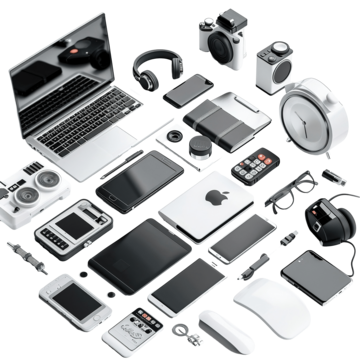
Sources of E-waste:
As digitisation is increasing, the lifespan of the products is reducing, and they are getting outdated faster. The customers want newer products, and this has led to massive increase in the quantity of E-waste produced.
So let us understand the major sources of E-waste is generated:
- Household: Household mostly generates electronic e-waste in the form of mobile phones, tablets, appliances etc.
- Offices: Unlike households, both electronic and electrical e-waste makeup the e-waste generated by offices come from IT equipment like servers, routers, computers, printers etc.
- Educational Institutions: Educational Institutions to generate e-waste in the form of Lab equipment, projectors etc.
- Manufacturing Plants: Manufacturing plants generate bulk quantities of electrical e-waste together in the form of control panels, circuit boards, sensors, automation equipment etc.
- Hospitals: The medical devices and imaging devices can also be considered as electronic E-waste generated by the hospital
Classification of E-waste:
there are two broad ways in which we can classify E-waste:
Based on the composition of E-waste:
- Metallic waste- Typically includes base metals (iron, aluminium etc.) and precious metals (gold, sliver etc.).
- Plastic waste- E-waste contains plastics are used for structure and insulation
- Glass waste- Glass is commonly used in electronic items like screen and display of various devices.
- Hazardous waste- Includes toxic substances like lead, mercury etc present in E-waste.
- Other waste- Wastes like microprocessors, capacitors etc may also be present
Based on Component of E-waste:
- Large appliances- Includes refrigerator, washing machine, air conditioners etc.
- Small devices- Includes mobile phones, keyboards etc
- IT equipment- Includes laptops, computers, server, routers etc.
- Batteries- Includes lithium-ion batteries, lead acid batteries etc
What is E-waste Recycling:
One of the key solutions to address the growing problem of e-waste is recycling. But what exactly is recycling e-waste ?
E-waste recycling is the process of extracting valuable materials from E-waste which can be reused.
First, let’s understand what happens to e-waste after it is collected. The waste is initially sorted based on its potential value. Functional items are refurbished and resold in the market, extending their lifecycle.
The remaining e-waste is then disassembled and shredded using specialized machinery. During this stage, valuable materials such as precious metals are extracted.
Next, the materials undergo further processing, often using water-based separation techniques. In this process, lighter materials like plastics float, while heavier materials such as glass sink, making separation easier.
Finally, the separated materials are either sold to specialized recycling companies or processed further in-house for reuse.
Why is E-waste recycling important:
Now let us understand the importance of E-waste recycling.
- Environmental Impact: E-waste recycling processes the toxic materials and doesn’t allow them to pollute the environment. Additionally, each unit which is recycled, reduces the need for new materials, which in turn reduces the stress on the environment.
- Data security: E- waste recycling companies can ensure safe destruction of hard drives, phones etc. If not destroyed properly, the data of the user can reach wrong hands
- Circular Economy: E-waste contains various precious metals such as gold, silver and other rare earth metals. This can be recovered and sold back in the market, which will help us reach circular economy.
The process of E-waste recycling:
Let us now understand the step by step process to recycle E-waste.
Step 1: Collection of Materials
This is the first step which involves collecting E-waste materials from various sources.
Step 2: Sorting
Once the material is collected, we then sort the materials based on its type and materials
Step 3: Data destruction:
Data is then destroyed from products like hard drives, computers, mobile phones etc.
Step 4: Dismantling:
Once the data is destroyed, the waste is then disassembled into its components.
Step 5: Shredding:
The components are then shredded in a specialised machinery into tiny pieces.
Step 6: Material recovery:
Valuable materials are then recovered from pieces using various techniques.
Challenges in E-waste recycling:
- Lack of awareness: Many people dispose e-waste with regular waste and awareness about E-waste recycling companies is very low.
- Infrastructure gaps: The logistic for e-waste transportation is limited and there is no proper collection system for e-waste
- Complex composition: Devices usually contain a mix of materials and it is generally difficult to efficiently separate components.