
The issue of the impact on the environment from e-waste is a major one as the use of electronic devices becomes increasingly common. Electronic gadgets are present everywhere – in phones, laptops, and even home appliances. But what happens when people need to get rid of electronic items that have served their purpose?
In most cases, these items get collected or simply thrown out in the trash without being processed properly. The consequences are severe and yet remain unnoticed by the majority of individuals. Recognizing the problem of e-waste and its influence on the environment can be viewed as the first step to finding proper solutions.
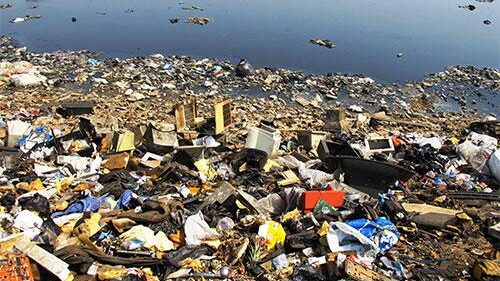
The Rising Problem of E-Waste:
Another major source of concern for our environment is e-waste. Technological developments have made technology obsolete at a rapid rate, encouraging regular replacement.
Mobile phones have an average life of around two to three years after which they need to be changed. In the same way, other electronic devices like laptop computers are replaced because of their improved processing capabilities. Organizations generate vast quantities of e-waste in terms of computer systems, servers, and networking gear. In this way, several million tons of e-waste are being produced each year. This has happened because many of these items are fully functional, but people do not care about it.
It can be concluded that there is increasing e-waste in the environment, which is posing significant challenges.
Toxic Components of E-Waste:
Electronics are a product of complex combinations of different materials, including harmful elements, which are either safe for reuse and repurposing or dangerous to health if mishandled.T oxic elements that can be identified in e-waste include:
- Lead, which is usually used in the production of circuit boards and solders
- Mercury, used in certain displays and lamps in devices
- Cadmium, present in batteries and semiconductor products
- Flame retardant bromine, which can be found in plastic covers of devices
Though not always easily noticeable, such elements are potentially dangerous in their ability to harm the environment if mishandled and disposed of carelessly. When e-waste is left in landfills, for instance, all those toxic substances have the ability to contaminate soil and water in the area.
Impact on Environment from E-waste:
Environmental impact resulting from e-waste can be considered as the effects of e-waste on soil, water, and air. The environmental impact on these three mediums would happen through improper disposal of e-waste.
Soil Pollution:
E-waste that is disposed of in landfill will contaminate the soil in terms of quality, hence limiting the use of the soil to support growth of plants.Contaminated soils are not good for agricultural production since the contaminants are transferred to the produce which are then used by humans.
Water Pollution
A very serious environmental impact caused by the dumping of e-waste is water contamination. Harmful elements can be leaked to water sources such as lakes through the leakage of these hazardous materials. Hazardous elements such as lead and mercury will flow to the water sources making it unfit for consumption and affecting the marine ecosystem.
Air Pollution
Through informal processing of the electronic wastes, burning of such waste occurs as a way of recovering metals like copper. Burning of plastics results in emission of smoke to the environment which pollutes the air with harmful elements.
The Need for Circular Approach:
In order to make the process environmentally friendly, there must be a change from the use-and-dispose approach to something more environmentally sustainable. The circular economy approach will involve prolonging the lifespan of electronic equipment through reuse, repairs, and recycling. Rather than disposing of the equipment immediately, measures should be put in place that would enable the reuse of the device.
Recycling will also help in reclaiming important raw materials from electronic waste. Through recycling, natural resources that are necessary for making new electronic devices will not have to be mined. There will also be energy savings from the process. It is important to embrace the circular economy approach in order to manage e-waste.
Sustainable Solutions to reduce impact on environment:
To deal with the problems associated with e-waste, some measures that one can take are:
- Recycling in approved facilities: By using the services of authorized recyclers, electronic waste is safely managed.
- Delaying upgrading cycles: Extending the lifespan of the devices will help in lowering the volume of waste produced.
- Repairing and refurbishing gadgets: There are several instances where it may be possible to repair or refurbish the gadgets rather than discarding them.
- Proper disposal of batteries and other hazardous material: It is important that one does not throw away batteries along with other trash.
- Spreading awareness: Raising public consciousness about proper disposal will make a huge difference.
The responsibility lies both on the shoulders of individuals and organizations.
Conclusion
E-waste isn’t simply waste in the form of electronic items; it’s an environmental problem that influences soil, water, and air. The more advanced technology becomes, the more important it becomes for us to take care of it.
When we learn about the negative environmental effects of e-waste and start acting responsibly by recycling or reusing electronic products, we’ll be one step closer to creating a greener world. Small efforts in handling electronic items now will bring big results later on for our planet.