
Electronics play an integral role in our daily activities, yet we are clueless on what should be done once we no longer need them or they get obsolete. Old smartphones, computers, chargers, and batteries are disposed of in drawers and regular garbage.
However, improper disposal of e-waste leads to negative consequences. Understanding how to properly dispose E-waste plays a vital role in the proper use of the technology.
This guide will provide information on where e-waste should be disposed of, methods of safe disposal, and common mistakes to avoid while getting rid of electronics.
Where to Dispose E-Waste:
E-waste should never be thrown into regular garbage bins. There are various methods through which one can dispose of their e-waste in a safe manner.
- E-waste recycling centers:
There are authorized centers that recycle e-waste in a manner that is both safe and correct. - Manufacturer take-back program:
Most companies that produce gadgets usually have schemes where one can return their old gadget in exchange for something new. - Community e-waste collection event:
The community organizes e-waste collection drives. - Scrap dealers:
There are certain scrap dealers who accept e-waste.
How to Dispose E-Waste (Step-by-Step Methods):
Disposing of e-waste safely involves a few simple steps:
- Reuse or Repair the Device:
If the device is working properly, then you may choose to repair, donate, or sell the device rather than disposing of it. - Backing Up and Wiping Your Data:
It is imperative that you backup any crucial files and restore the factory settings of the device. Furthermore, make sure to log out of all of your accounts. - Detach the Batteries and Other Accessories:
The batteries and other accessories must be detached from the device, as they need to be disposed of differently from general trash. - Recycle Safely:
Consider returning your old device to an authorized recycling center.
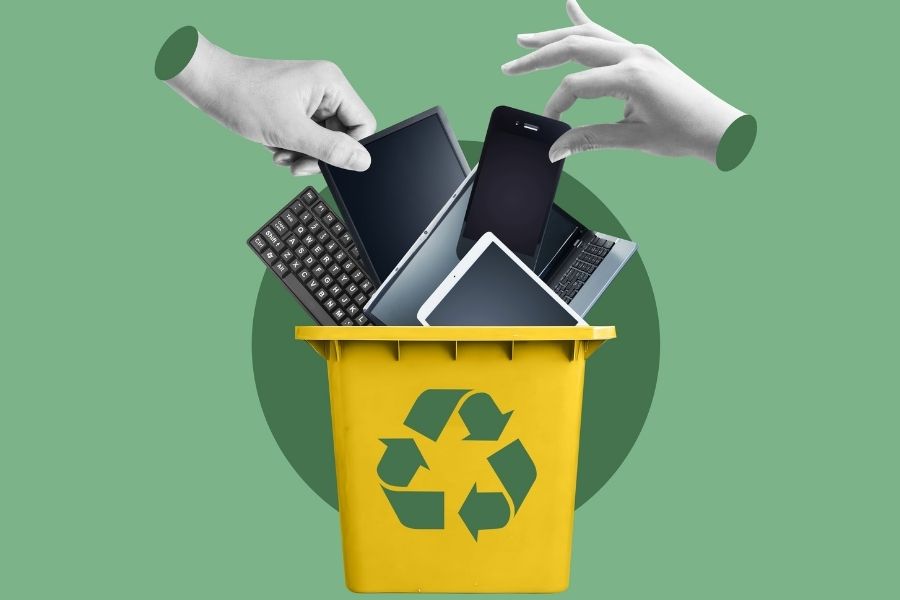
Who Recycles E-Waste?
E-waste recycling is handled by different types of organizations:
- Licensed e-waste recycling firms: They comply with environmental laws.
- Recycling programs by manufacturers: Manufacturers conduct product take-back recycling for their products.
- Government-funded recycling facilities: Government-funded recycling centers manage e-waste.
- E-waste disposal companies: Industrial e-waste disposal is the focus of these firms.
Common Mistakes to Avoid:
Many people unknowingly make mistakes when disposing of e-waste:
- Electronic products thrown away in normal garbage
- Failing to remove personal information before disposing
- Batteries being disposed in regular household trash
- Using untested recyclers
- Hoarding unused electronics for extended periods
These are errors to avoid while disposing of electronics.
Simple Tips for Responsible E-Waste Disposal
- Use proper recycling outlets
- Do not upgrade your gadgets unnecessarily
- Recycle or refurbish devices where possible
- Keep yourself updated on proper disposal procedures
- Dispose of batteries responsibly
These simple steps can go a long way in minimizing the effect of electronic waste.
Conclusion
E-waste disposal entails more than just disposing of unwanted devices; it involves taking responsible action. Through proper e-waste disposal, one is able to protect the environment from pollution and ensure that information on their devices remains confidential.
A few steps can go a long way in ensuring that the planet is conserved for posterity.